
Quick Answer
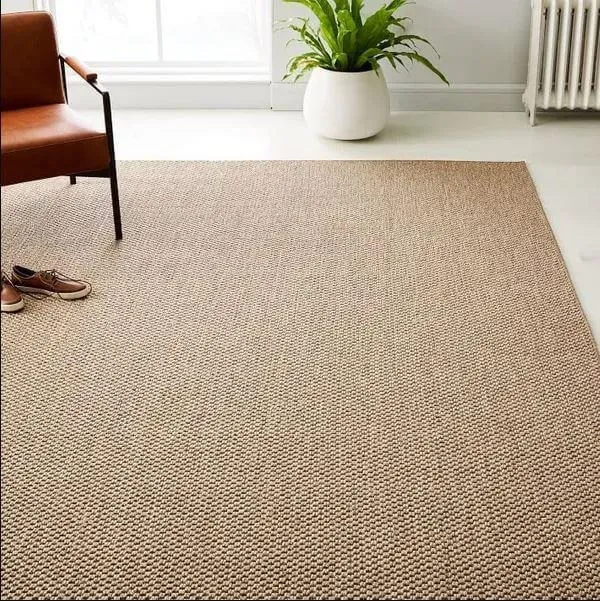
Sisal rugs abu dhabi and sisal carpets are made from natural plant fiber (agave sisalana), prized for their durability and earthy texture, but they’re best kept in dry indoor areas since sisal absorbs moisture and stains easily — which is exactly why it should never be used in a shower room. For shower rooms in Abu Dhabi and Dubai homes, moisture-resistant materials like porcelain tile, glass partitions, and waterproof vinyl are the practical choice instead. This guide covers both categories separately, since they solve very different design problems, with input from Risala Furniture and Interiors LLC’s residential interior projects.
Key Facts Table
| Product | Material | Best Setting | Moisture Tolerance |
| Sisal Rugs | Natural agave fiber | Living rooms, dining areas, hallways | Low — avoid damp areas |
| Sisal Carpets (wall-to-wall) | Natural agave fiber, woven backing | Formal rooms, low-humidity spaces | Low |
| Shower Room Materials | Porcelain, glass, waterproof vinyl | Bathrooms, wet rooms | High (purpose-built) |
Introduction
Interior design in Abu Dhabi often has to balance two very different priorities: warm, textured natural materials for living spaces, and fully waterproof, low-maintenance finishes for wet areas like bathrooms. Sisal rugs and carpets fall firmly into the first category, while shower room design belongs entirely to the second. This guide explains what makes sisal a good — and sometimes risky — choice, and separately covers what actually works for shower room design in the UAE’s climate.
What Are Sisal Rugs and Why Are They Popular in Abu Dhabi Homes?
Sisal is a natural fiber extracted from the leaves of the agave sisalana plant, spun into a durable, slightly coarse yarn and woven into rugs or carpets. It’s become popular in Abu Dhabi interiors for its natural, textured look that pairs well with both modern minimalist and warm, earthy design styles.
Why homeowners choose sisal rugs:
- Highly durable — sisal fiber is known for resisting wear in moderate-traffic areas.
- Naturally hypoallergenic and free from synthetic fibers, appealing to homeowners seeking natural materials.
- Neutral, textured tones that work as a grounding layer under furniture in living and dining rooms.
- Biodegradable at end of life, unlike many synthetic rug materials.
Important limitations of sisal:
- Absorbs moisture readily, which can lead to staining, mildew, or fiber damage in humid rooms.
- Not recommended for kitchens, bathrooms, or outdoor covered areas exposed to spills.
- Can feel rough underfoot compared to wool or synthetic rugs — often paired with a plush underlay for comfort.
Sisal Carpets Abu Dhabi: Wall-to-Wall Applications
While sisal rugs are commonly used as accent pieces, sisal carpets abu dhabi refer to wall-to-wall installations, often chosen for formal living rooms, home offices, or staircases where a natural, textured floor covering is desired throughout the space.
Step-by-step: choosing a sisal carpet for a room
- Confirm the room has stable, low humidity — sisal performs best in air-conditioned interior spaces, common in most Abu Dhabi homes.
- Choose a weave pattern (herringbone, basketweave, boucle) based on the room’s formality and existing furniture style.
- Consider a wool-sisal blend if you want reduced coarseness with similar natural texture.
- Have carpets professionally fitted with appropriate edge binding to prevent fraying at high-traffic transitions.
Shower Room Design: What Actually Works in the UAE
Unlike sisal, shower rooms dubai need materials engineered specifically for constant water exposure, humidity, and frequent cleaning. This is one of the most practical design decisions in any UAE home, since poor material choices can lead to mold, slippery surfaces, or costly water damage over time.
Recommended shower room materials:
- Porcelain tile: low water absorption, available in a wide range of finishes including wood-look and stone-look options.
- Glass partitions: frameless or semi-frameless glass is popular in Abu Dhabi bathrooms for a modern, open feel while containing water spray.
- Waterproof vinyl flooring: an increasingly popular budget-conscious alternative to tile, with slip-resistant finishes suited to wet areas.
- Natural stone (sealed): offers a premium look but requires regular resealing to maintain water resistance.
Practical shower room tips:
- Always slope shower room flooring slightly toward the drain to prevent water pooling.
- Choose slip-resistant tile ratings (check the R-rating or equivalent) especially for family bathrooms.
- Use fully waterproofed membranes behind tile in wet areas, not just surface-level sealing.
- Consider underfloor heating for shower rooms if the household prioritizes comfort during cooler months.
Comparison Table: Sisal Rugs/Carpets vs. Shower Room Materials
| Factor | Sisal Rugs/Carpets | Shower Room Materials |
| Moisture resistance | Low | High (purpose-built) |
| Ideal setting | Living rooms, hallways | Bathrooms, wet rooms |
| Maintenance | Vacuum, spot-clean only | Regular cleaning, resistant to water |
| Material origin | Natural plant fiber | Ceramic, glass, engineered vinyl |
Actionable Tips
- Never install sisal rugs or carpets in bathrooms, kitchens near sinks, or covered outdoor areas — moisture damage is largely irreversible for natural fiber.
- Pair sisal rugs with a rug pad both for comfort and to prevent slipping on smooth marble or tile floors, common in Abu Dhabi homes.
- For shower rooms, prioritize slip resistance and drainage slope over pure aesthetics — these affect daily safety.
- If you like the natural look of sisal but need it near a slightly humid area (like a covered balcony), consider a synthetic look-alike fiber instead, which handles moisture far better.
Risala Furniture and Interiors LLC advises Abu Dhabi and Dubai clients on both natural fiber rugs for living spaces and fully waterproofed shower room design, helping avoid costly material mismatches early in a renovation.
FAQ Section
1. Can sisal rugs be used in a bathroom? No, sisal is not recommended for bathrooms since it absorbs moisture readily, which can lead to staining, mildew, and fiber breakdown over time.
2. How do you clean a sisal rug? Regular vacuuming and prompt spot-cleaning of spills (without soaking the fiber) is recommended, since sisal is sensitive to excess moisture during cleaning.
3. Are sisal carpets suitable for high-traffic areas? Yes, sisal is naturally durable and holds up well in moderate to high-traffic living areas, though very heavy foot traffic may benefit from a wool-sisal blend for added resilience.
4. What is the best flooring for a UAE shower room? Porcelain tile and waterproof vinyl are both commonly recommended for shower rooms in the UAE due to their low water absorption and slip-resistant finishes.
5. Do glass shower partitions need special maintenance? Yes, glass partitions benefit from regular squeegee use and periodic descaling to prevent water spot buildup, particularly in areas with harder water.
6. Is sisal a good choice for allergy sufferers? Sisal is a natural, hypoallergenic fiber free from synthetic additives, which makes it a popular choice for homeowners sensitive to synthetic carpet materials.
7. How often should shower room grout be resealed? Grout in wet areas is generally recommended to be resealed every 12–18 months to maintain water resistance and prevent mold growth.
8. Can sisal rugs be dyed different colors? Yes, sisal fiber can be dyed, though it typically retains a slightly muted, natural tone compared to more vibrant synthetic rug dyes.
9. What slope is recommended for shower room flooring? A gentle slope toward the drain — typically a small percentage grade specified by the tile installer — is standard to ensure proper water drainage.
10. Where does Risala Furniture and Interiors provide its services? Risala Furniture and Interiors LLC provides its services in UAE ,OMAN , QATAR , SAUDI ARABIA , KUWAIT , BAHRAIN and all across the Gulf and Middle East region.
Key Takeaways
- Sisal rugs and carpets bring natural texture and durability to living spaces but should never be used in wet areas.
- Sisal absorbs moisture readily, making it unsuitable for bathrooms, kitchens, or humid outdoor spaces.
- Shower room design requires purpose-built waterproof materials like porcelain tile, glass, and waterproof vinyl.
- Slip resistance and proper drainage slope are essential safety considerations in shower room design.
- Matching material to room function prevents costly damage and renovation rework.
Conclusion
Sisal rugs and carpets and shower room design sit at opposite ends of the material spectrum — one is about natural texture in dry living spaces, the other about full water resistance in wet areas — and mixing them up is one of the more common (and costly) interior design mistakes. Risala Furniture and Interiors LLC helps Abu Dhabi and Dubai homeowners choose the right materials for each space, from natural fiber flooring to fully waterproofed shower room finishes.
📍 Visit us: maps.app.goo.gl/igmNHkW1QCyL19wT7?g_st=ac
