
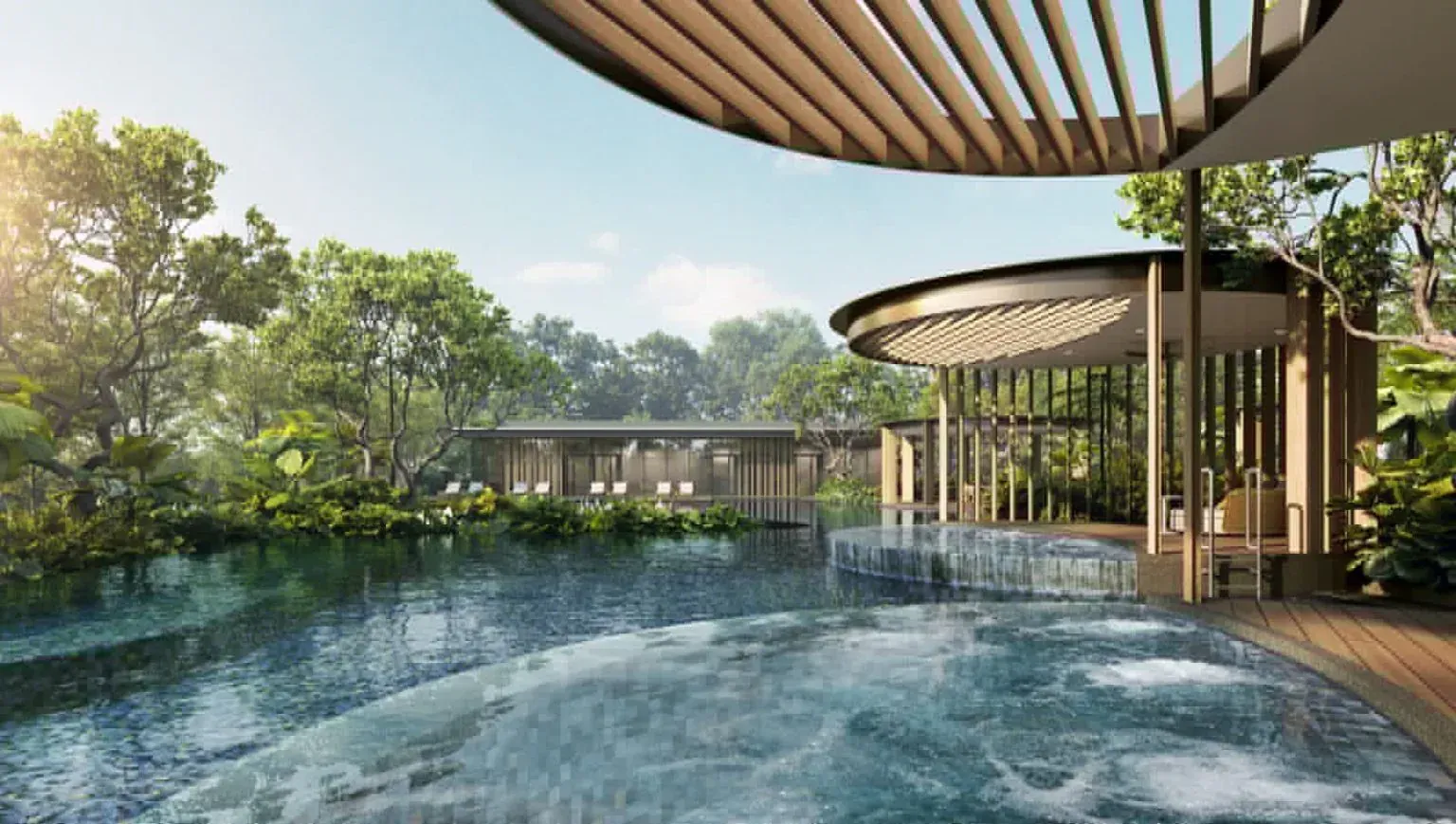
Securing a premium private home in Singapore requires careful financial planning and a clear understanding of upfront costs. The highly anticipated launch of Thomson Reserve has caught the eye of many prospective homeowners and investors looking for a sophisticated living space in a prime location. However, transitioning from a prospective buyer to an actual owner involves handling a series of structured payments, tax obligations, and ongoing fees. To ensure a smooth purchasing journey, you must break down the financial commitments required for this development. This guide outlines the essential budgeting steps, from your initial down payment to stamp duties and progressive payments, helping you secure your dream property without any unexpected financial surprises.
Breaking Down the Initial Down Payment
The first and most significant financial hurdle is the initial down payment. For a private residential development like this one, the payment structure follows the standard guidelines set by the Monetary Authority of Singapore (MAS). Typically, you need to secure a Loan-to-Value (LTV) limit of up to 75% for your first home loan. This means you must cover the remaining 25% through a combination of cash and your Central Provident Fund (CPF) Ordinary Account savings.
Cash and CPF Allocation
Specifically, you must pay at least 5% of the purchase price in hard cash. You can pay the remaining 20% using either cash, your CPF Ordinary Account funds, or a combination of both. For example, if you secure a unit priced at $2 million, the minimum cash down payment is $100,000, while the remaining $400,000 can come from your CPF savings. If you have existing property loans, your LTV limit drops significantly, meaning you will need a much higher cash down payment. Securing an Approval-in-Principle (AIP) from a bank before placing a booking fee ensures you know your exact borrowing capacity. Having these liquid funds ready prevents you from forfeiting your booking fee if your loan application faces unexpected delays or rejections.
Calculating Buyer’s Stamp Duty and Additional Levies
Beyond the down payment, transaction taxes represent a high upfront cost that buyers often underestimate. When planning your budget, you must factor in Buyer’s Stamp Duty (BSD), which is calculated based on the purchase price or market value of the property, whichever is higher. With the premium nature of Thomson Reserve pricing, buyers should prepare for BSD rates that scale up to 6% for residential properties valued over $3 million.
Understanding Additional Buyer’s Stamp Duty (ABSD)
In addition to the standard BSD, Singapore citizens buying their second or subsequent residential property must pay Additional Buyer’s Stamp Duty (ABSD). Permanent Residents and foreign buyers face different ABSD rates, which can substantially increase the acquisition cost. For instance, a foreign buyer faces a 60% ABSD rate, which dramatically alters the total capital required at the outset. You must pay these duties within 14 days of signing the Sale and Purchase Agreement. While you can use CPF funds to pay for these stamp duties, you often have to pay them in cash first and seek reimbursement from your CPF account later. Factoring these taxes into your initial capital calculations ensures you do not face a sudden cash flow shortage during the early stages of the transaction.
Managing the Progressive Payment Scheme
Buying an uncompleted or launch property allows you to service your loan through the Progressive Payment Scheme. Unlike completed properties where you pay the full purchase price at once, this scheme links your payments to specific construction milestones. This structure eases your initial monthly financial burden, as your bank releases loan disbursements in stages as the building physically grows.
Construction Milestones and Payment Tranches
Each stage of the construction corresponds to a fixed percentage of the purchase price. For example, completing the foundation works requires a 10% payment, while finishing the concrete framework requires another 10%. Your monthly mortgage installments will start small and gradually increase as each milestone is certified by the architect. Understanding this schedule is crucial for managing your monthly cash flow, especially if you are currently renting another home while waiting for construction to finish. It is wise to maintain a dedicated cash buffer to cover these escalating monthly payments. By aligning your savings plan with the estimated construction timeline of Thomson Reserve, you can comfortably manage your monthly expenses without straining your personal finances as the development nears completion.
Budgeting for Legal Fees and Ongoing Costs
A complete property budget extends far beyond the acquisition costs and construction payments. You must also account for ancillary expenses that arise during and after the transaction. Legal fees for conveying services typically range between $2,500 and $5,000, and you can often pay these using CPF funds. Additionally, you will need to secure property insurance to protect your investment, which banks require before disbursing any home loans.
Maintenance and Miscellaneous Expenses
Once the development receives its Temporary Occupation Permit (TOP), you will begin paying monthly maintenance fees. Given the high-end amenities and manicured landscapes reflected in the Thomson Reserve pricing, monthly maintenance charges will depend on the share value assigned to your unit. Larger units with more share value will incur higher monthly maintenance costs to upkeep the shared facilities like swimming pools, gyms, and security services. Additionally, you should budget for annual property taxes, which the Inland Revenue Authority of Singapore (IRAS) calculates based on the annual value of your home. Setting aside a contingency fund of at least 5% of the purchase price helps cover these ongoing costs, along with interior design and renovation expenses when you collect your keys.
Conclusion

Purchasing a unit at Thomson Reserve is a major financial milestone that requires a systematic approach to budgeting. By carefully calculating your initial down payment, preparing for upfront stamp duties, and planning for the progressive payment schedule, you can secure your new home with confidence. Balancing these immediate acquisition costs with long-term expenses like maintenance fees and property taxes ensures your investment remains sustainable. Taking the time to secure an early bank loan assessment and organizing your cash and CPF allocations will prevent stressful delays. With a clear financial roadmap in hand, you can focus on the exciting journey of owning a premium residence in one of Singapore’s most desirable residential enclaves.
