
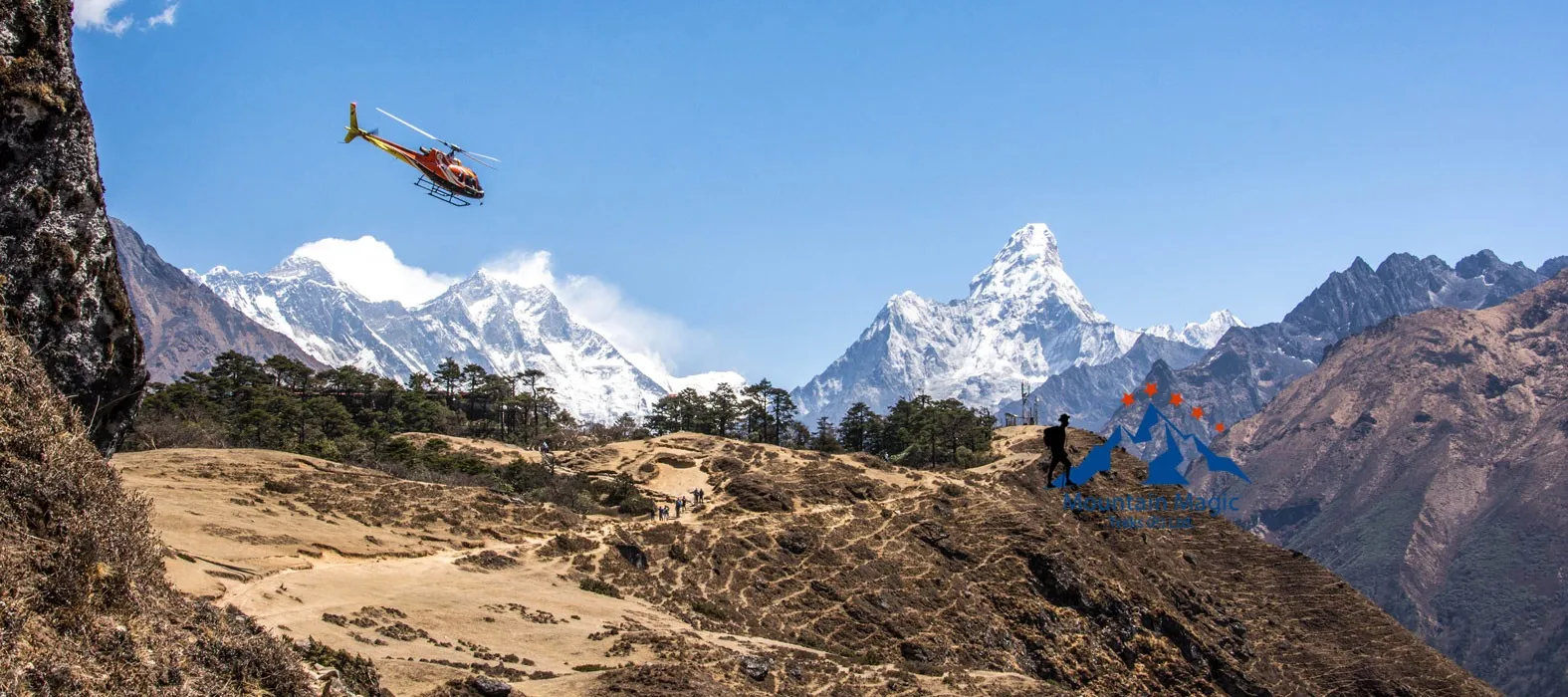
A trek to Everest is not the kind of trip where you should think only about the final destination.
Your days are limited. Your body has limits. Weather can change plans. And once you are deep in the mountains, you cannot simply stop at a store because you forgot something.
That is why small choices matter.
The Everest Base Camp Trek With Helicopter Return can be a great option for travelers who want to experience the classic trail while using their time carefully. The walking days remain the heart of the adventure, while the helicopter return removes much of the long journey back.
The result is a trip where planning well can make the experience much more enjoyable.
Start With the Right Idea of the Trek
Do not think of Everest as a trip where you simply collect a few famous viewpoints.
It is a walking journey.
Some days will be exciting. Some may feel tiring. A few moments may even seem ordinary.
That is normal.
The best approach is to expect a mixture of beautiful views, physical effort, quiet mornings, busy trails, simple meals, and changing weather.
When your expectations are realistic, the difficult moments become easier to handle.
Pack for Use, Not for Show
A common mistake is carrying too much.
You do not need an enormous collection of clothes or gadgets. Every unnecessary item becomes something you have to carry, organize, and protect.
Think about what you will actually use.
Your trekking bag should make life easier, not harder.
Give Your Clothes a Job
Different layers should have clear purposes.
A light layer can help during warmer walking hours. A warm mid-layer becomes useful as temperatures fall. A good outer layer can protect you from wind or light precipitation.
Do not rely on one thick jacket for every condition.
Several useful layers are usually easier to manage.
The same idea applies to socks, gloves, and other personal items.
Your Feet Deserve More Attention
Your feet do most of the work during the Everest Base Camp Trek With Helicopter Return.
Treat them accordingly.
Wear trekking shoes that you have already used before the trip. New footwear may look perfect in a store but cause painful problems after several hours on a mountain trail.
Keep your feet dry when possible.
Also pay attention to small hot spots before they become painful blisters.
A five-minute problem is easier to deal with than a two-day problem.
Learn to Read Your Own Energy
You may wake up feeling strong and then feel tired later.
That does not mean something has gone wrong.
High-altitude trekking is different from walking around your hometown. Your body uses more effort for ordinary movement, especially as you climb higher.
Do not compare your pace with another trekker.
One person may move quickly. Another may need more breaks.
Your goal is to reach the destination safely, not win a race.
Save Something for Tomorrow
This is one of the most useful rules for a long trek.
You do not need to give everything you have to today’s trail.
If you push too hard early in the journey, the tiredness can follow you into later days.
A steady pace gives your body more time to adjust and leaves you with energy for the important sections ahead.
Use Acclimatization Days Properly
An acclimatization day can feel strange.
You may think, “If I am here, why am I not moving?”
Because moving higher every day is not always the smartest choice.
The Everest Base Camp Trek With Helicopter Return includes acclimatization in places such as Namche Bazaar and Dingboche. These stops give trekkers time to adjust before continuing toward higher elevations.
You can use these days to explore nearby areas, take a short walk, rest, eat, and prepare for the next section.
Do not feel guilty about resting.
Rest is part of the trek.
Keep Your Mornings Simple
Mountain mornings are not the best time for complicated routines.
Get up.
Check your weather layers.
Eat.
Fill your water bottles.
Pack your day bag.
Then start walking.
Keeping the process simple means less stress and fewer forgotten items.
It also gives you more time to enjoy the trail once you leave the lodge.
Put Your Phone Away Sometimes
You will probably take photographs.
Of course you will.
The Everest region offers plenty of reasons to use a camera. But do not spend the entire trek looking at the mountains through a screen.
Some moments are better experienced directly.
Watch the clouds move across a peak. Listen to the river. Look at the trail ahead. Notice the way sunlight changes the valley.
You can take the photo later.
Some of the best memories are the ones you did not record.
Talk to Your Guide
Do not treat your guide as someone who simply walks in front of you.
Ask questions.
Ask about the villages. Ask about the mountains. Ask about the trail. Ask what you should expect during the next walking day.
Your guide can also notice changes in your condition that you may ignore yourself.
During the Everest Base Camp Trek With Helicopter Return, communication becomes especially important as the altitude increases.
If you feel unwell, say so.
Trying to hide a problem does not make it disappear.
The Helicopter Is Part of the Plan, Not a Guarantee
The helicopter return is one of the major attractions of this route.
After completing the high-altitude walking section, the flight can save several days of retracing the trail.
But mountain flights depend on conditions.
Clouds, wind, visibility, and other operational factors can affect timing.
So do not create an unrealistic schedule that leaves no room for change.
If you have an international flight after the trek, giving yourself extra time is a sensible decision.
Pack Your Important Items Where You Can Reach Them
Before the helicopter section, keep important belongings organized.
Your passport, phone, money, medications, and travel documents should not be hidden beneath everything else in your luggage.
A little organization can save a lot of trouble.
Look Back During the Flight
The return flight is not simply transportation.
Use it as a chance to look at the route differently.
For days, you have experienced the landscape at walking speed. From the helicopter, the same valleys can seem surprisingly small.
You may recognize places you passed earlier.
A trail that took hours to cross can appear as a narrow line on the mountainside.
This is one of the special features of the Everest Base Camp Trek With Helicopter Return.
You experience the region from the ground first and from the air later.
Leave With Fewer Expectations and More Memories
You cannot control everything on an Everest trek.
You cannot control clouds.
You cannot control wind.
You cannot control how your body feels every morning.
What you can control is your preparation, attitude, pace, and willingness to adapt.
That is enough.
The Everest Base Camp Trek With Helicopter Return becomes much more enjoyable when you stop trying to make every moment perfect.
Let the journey be what it is.
FAQs
Do I need to be an experienced trekker?
Previous high-altitude trekking experience can help, but it is not always required. Good preparation, fitness, pacing, and proper acclimatization are important.
Should I bring a lot of equipment?
No. Focus on useful trekking clothing, footwear, personal essentials, and items that you will actually need.
Is resting important during the trek?
Yes. Rest supports recovery and helps you manage the demands of high-altitude walking.
Can the helicopter flight be delayed?
Yes. Weather and flying conditions can affect helicopter operations, so keep some flexibility in your schedule.
Why choose a helicopter return?
The main advantages are saving time, avoiding several days of return trekking, and getting a different view of the Everest region from the air.
Conclusion
The Everest Base Camp Trek With Helicopter Return is easier to enjoy when you stop trying to rush through it.
Pack wisely. Protect your feet. Walk at a steady pace. Use acclimatization days properly. Speak openly with your guide. Put the phone away sometimes and actually look at the mountains.
Then, when the walking is finished, let the helicopter give you one final view of the landscape.
The smartest Everest journey is not the one where you do the most.
It is the one where you use your time, energy, and attention well enough to enjoy the experience from beginning to end.
