
Pest control in Singapore is not simply about spraying visible insects. Effective pest management starts with identifying the pest correctly, finding the conditions that are allowing it to survive, selecting an appropriate control method and monitoring whether the problem actually improves.
That matters in Singapore, where warm temperatures, high humidity, dense housing, shared drainage systems, food-handling environments and frequent movement of people and goods can all create favourable conditions for pests.
Cockroaches may hide behind kitchen appliances and inside cabinets. Rodents can travel through service areas and ceilings. Mosquitoes can breed in small collections of stagnant water. Termites may remain concealed inside timber or built-in structures, while bed bugs can spread through luggage, furniture and personal belongings.
For households and businesses, the practical question is not simply how to kill a pest. It is how to control the infestation safely, reduce the conditions encouraging it and prevent the same problem from returning.
Singapore has also moved towards a more structured Integrated Pest Management approach. The National Environment Agency’s current guidance around Singapore Standard SS 721:2025 emphasises prevention, risk assessment, multiple control methods, reduced dependence on pesticides and continuous monitoring rather than relying only on reactive chemical treatment.
This guide explains what professional pest control in Singapore typically involves, how common infestations are managed, what affects treatment costs and what to check before appointing a pest-management provider.
Why Pest Problems Can Persist in Singapore
Singapore’s tropical conditions help many pest species remain active throughout the year, but climate is only part of the explanation.
In high-density residential buildings, pests may move between units through pipes, service ducts, rubbish chutes, drains and structural gaps. In landed properties, gardens, roof spaces and perimeter areas introduce different risks. Commercial kitchens, warehouses and food premises face additional pressure because food, water, waste and incoming stock can continuously attract pests.
This is why cleaning alone does not always solve an infestation.
Good sanitation is essential, but a recurring cockroach problem may also involve hidden harbourage areas or entry routes. A rat problem may continue until access points and food sources are addressed. Mosquito control is unlikely to succeed if breeding habitats remain untouched.
The consequences also vary considerably by pest.
Mosquitoes are important public-health vectors because species found in Singapore can transmit diseases including dengue, Zika and chikungunya. NEA actively inspects premises for mosquito breeding, and breeding of vectors can result in enforcement action.
Rodents can contaminate food and surfaces and are associated with diseases including leptospirosis. Cockroaches and flies can mechanically contaminate food and food-contact surfaces. Termites are primarily a property risk rather than a disease vector, while bed bugs are mainly a biting and nuisance pest.
Treating every pest as though it presents the same risk therefore leads to poor decisions. The first step should always be identifying what is actually present.
What Professional Pest Control Should Involve
Good pest management is a process rather than a single treatment visit.
Inspection and Pest Identification
A competent inspection should establish what pest is involved, where activity is occurring and what conditions may be supporting it.
For cockroaches, this might mean inspecting kitchens, appliance gaps, cabinets, drains and food-storage areas.
For rodents, technicians may look for droppings, gnawing, grease marks, access openings and movement routes.
A termite inspection may focus on mud tubes, timber damage and concealed activity around built-in structures.
Bed bug investigations typically concentrate on mattresses, bed frames, furniture seams and cracks close to sleeping areas.
Accurate identification matters because treatments differ considerably between species.
Applying a general spray to every infestation may kill exposed pests without addressing the colony, nesting area, breeding source or route of entry.
Risk Assessment and Treatment Planning
Once the pest and contributing conditions have been identified, the treatment should follow the inspection findings.
Singapore Standard SS 721:2025 reflects this approach. Its Integrated Pest Management framework prioritises prevention and objective pest-risk assessment, followed by an appropriate mix of physical, biological and chemical controls where necessary. Chemical applications are intended to be used judiciously rather than automatically being treated as the first response.
In practical terms, this may involve several measures working together.
A cockroach programme might use sanitation improvements, crack-and-crevice treatment and targeted baiting.
Rodent management could combine trapping, monitoring, proofing and improvements to waste handling.
Mosquito programmes should address breeding sources as well as adult mosquito activity.
Termite management may involve baiting, soil treatments, spot treatments or other approaches selected according to the termite species and property conditions.
Monitoring and Reporting
Treatment should not end with the application itself.
NEA’s current guidance for vector-control operators expects service reporting, recommendations and evidence that agreed objectives are being met. Inspections, findings and treatment work should be recorded.
For property owners and facilities managers, these records help answer basic questions: Where was pest activity found? What was done? Did activity fall after treatment? What changes are needed on site?
For commercial sites, clear documentation becomes even more important because pest management may form part of wider sanitation, food-safety or facility-management procedures.
Common Pest Control Services in Singapore
Professional pest control services vary substantially because a termite colony, mosquito breeding problem and bed bug infestation cannot be managed in the same way.
Cockroach Control: Find the Harbourage, Not Just the Insects
Cockroaches thrive where food, moisture, warmth and shelter are available.
German cockroaches are particularly problematic in kitchens and food-handling environments because they can hide in very small gaps around equipment, cabinets and appliances.
Warning signs can include nocturnal activity, droppings, egg cases and a noticeable odour in heavier infestations.
Surface spraying may kill visible insects, but persistent infestations usually require greater attention to harbourage areas and food sources.
A professional programme may use gel baits, targeted residual treatments and other methods according to the site. Hygiene and proofing recommendations should accompany treatment where conditions are contributing to the problem.
For businesses, repeated cockroach activity is also a signal to review cleaning procedures, food storage, drainage and waste handling rather than treating each sighting as an isolated incident.
Mosquito Control Starts With Breeding Sites
Adult mosquito treatment alone cannot compensate for standing water that continues producing new mosquitoes.
NEA advises property occupiers to regularly inspect potential breeding habitats. Even small containers, plant trays, drains and other water-holding areas can become breeding sites.
Professional mosquito management therefore normally begins with surveillance and source identification.
Depending on the setting, treatment may include larval control where breeding is detected, environmental management and targeted adult mosquito control.
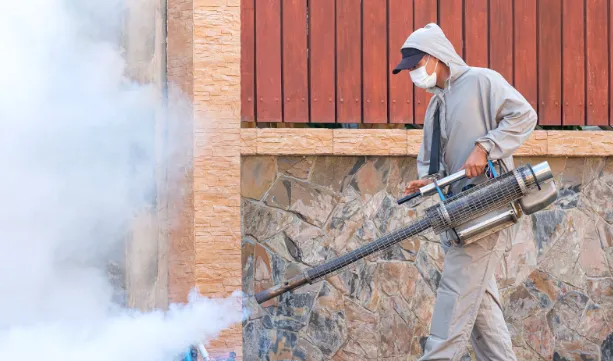
Fogging is sometimes used in particular situations, but it should not be confused with complete mosquito management. NEA requires registered Vector Control Operators to notify the agency before thermal fogging activities, and surrounding premises that may be affected must also receive relevant advance notice and precautions.
The more sustainable objective is to reduce breeding and mosquito activity rather than repeatedly fogging the same environment without correcting the source.
Rodent Management Requires Proofing and Monitoring
Rodents are highly adaptable and can exploit surprisingly small entry points.
In homes and commercial premises, common warning signs include droppings, gnaw marks, food damage, noises in ceilings or concealed areas and grease marks along frequently used routes.
Trapping or baiting may reduce a population, but long-term improvement often depends on identifying how rodents are entering the property and what is attracting them.
Food waste should be properly contained. Openings around pipes, doors and structural gaps may require proofing. Storage areas should be organised so that rodent evidence can be detected rather than remaining hidden.
Some providers also use electronic monitoring tools to help detect rodent movement. For example, Aardwolf Pestkare, a Singapore pest-management company established in 1997, describes using camera-based monitoring as part of some rodent-control programmes. Its published service scope combines inspection, control, monitoring and reporting rather than treating trapping as a standalone exercise.
Technology can provide useful information, but buyers should assess it by how it improves inspection, detection or verification rather than assuming a particular device guarantees better results.
Termite Management Depends on the Species and Property
Termites require a different approach from general household insects.
Subterranean termites typically live in colonies in the soil and may travel into buildings through concealed routes. Drywood termites live within timber and can therefore require a different treatment strategy.
Signs of termite activity can include mud tubes, hollow-sounding timber, damaged wood, discarded wings or unexplained deterioration around doors, cabinets and other timber elements.
Because much of the activity may be concealed, detection can be challenging.
Professional providers may use visual inspection together with diagnostic tools where appropriate. Treatment options can include baiting, soil treatment, localised corrective treatment or other species-specific approaches.
Aardwolf’s termite services, for example, include baiting, soil treatment, spot treatment and thermal imaging using TermiCam to help identify suspected subterranean termite activity in concealed structures. These are provider-specific methods rather than requirements that every termite contractor must use.
The important question is whether the proposed treatment follows from a credible inspection.
Be cautious when a provider recommends an extensive termite programme before explaining what evidence of infestation was found, what termite is suspected and why that particular method is suitable.
Bed Bug Treatment Often Requires More Than One Step
Bed bugs are difficult to manage because they hide in seams, furniture, bed frames and small cracks near resting areas.
They can also be transported between properties through luggage, clothing and furniture.
A few bites alone do not prove a bed bug infestation, so inspection is valuable before treatment begins.
Where bed bugs are confirmed, professional treatment may combine physical removal, targeted pesticide treatment, heat or steam methods depending on the infestation and provider.
Preparation by the occupant may also be required.
Aardwolf’s published bed bug process, for example, includes inspection, targeted treatment, preventive recommendations and follow-up, with chemical spraying or steam among the methods it may use depending on the situation.
This is another reason to be cautious about companies promising that every bed bug problem can be solved with one identical treatment.
Residential Pest Control: HDB Flats, Condominiums and Landed Homes
The right pest-control plan depends partly on the type of property.
In an HDB flat or condominium, an infestation may not originate entirely within one unit. Shared rubbish systems, common corridors, drainage networks and neighbouring units can influence pest activity.
That means treating one apartment may reduce activity without eliminating a problem that continues elsewhere in the building.
Condominium residents should inform the managing agent where pest activity appears connected to common property.
Landed homes have different vulnerabilities. Gardens, perimeter drains, roof spaces, timber elements and ground contact can increase exposure to mosquitoes, rodents and termites.
Regardless of housing type, residents can reduce pest pressure by keeping food sealed, removing unnecessary standing water, managing rubbish properly, repairing leaks and closing obvious pest entry points.
Professional treatment becomes more appropriate when activity persists despite these measures, when the pest is difficult to identify or when the infestation could cause significant health or property damage.
Pest Control for Restaurants, Offices and Commercial Premises
Commercial pest management usually requires a more structured programme than occasional reactive treatment.
Restaurants and other food businesses need to control access to food, water, waste and harbourage. Loading areas, refuse rooms, grease traps, floor traps and storage rooms can all become risk points.
Offices may have fewer food-handling risks but can still face cockroaches, ants, rodents and bed bugs, particularly in pantry areas or buildings with shared services.
Factories and warehouses present another set of challenges involving stored goods, incoming deliveries, large perimeters and difficult-to-access spaces.
For higher-risk commercial sites, useful programmes generally include scheduled inspections, trend monitoring, treatment records, recommendations and communication between the pest-management provider and the site’s own facilities or hygiene team.
A contractor cannot compensate indefinitely for overflowing waste bins, broken doors, standing water or structural gaps that remain unresolved.
Pest management works best when responsibility is shared between the service provider and the people managing the premises.
How Much Does Pest Control Cost in Singapore?
There is no single meaningful price for pest control in Singapore.
The cost depends on what pest is present, how large the affected area is, how established the infestation has become and which treatment methods are required.
A small cockroach issue in one kitchen should not be priced in the same way as termite treatment for an entire landed property.
Bed bug work may require repeated visits or extensive preparation. Rodent programmes may include monitoring and proofing. Commercial agreements may require scheduled servicing, records and coverage across multiple pest categories.
Instead of comparing only the headline price, ask each provider for a written scope.
A useful quotation should make clear:
- which pest or pests are covered;
- which areas will be inspected or treated;
- the proposed treatment method;
- how many visits are included;
- whether monitoring or follow-up is included;
- what preparation is required before treatment;
- what the customer needs to do afterwards; and
- what situations would create additional charges.
Published online price guides can provide rough context, but one company’s rates should not be treated as the Singapore-wide market price.
Site-specific quotations are particularly important for termites, bed bugs, rodents and commercial premises where treatment requirements can vary substantially.
Choosing a Pest Control Company in Singapore
The cheapest quotation is not always the best comparison point.
A more useful evaluation looks at regulatory status, technical capability, inspection quality, reporting and the clarity of the proposed scope.
Check NEA Registration Where Vector Control Is Involved
This is one area where the original article commonly gets oversimplified.
Under the Control of Vectors and Pesticides Act, NEA regulates vector-control services involving mosquitoes, flies, cockroaches, rats and rat fleas.
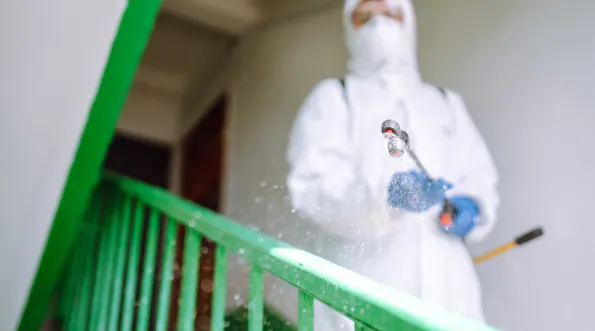
NEA’s April 2026 reminder states that only registered Vector Control Operators may advertise or provide vector-control services for these vectors. Employees undertaking the work must also meet the relevant Vector Control Technician or Vector Control Worker licensing or certification requirements.
Consumers should therefore confirm the provider’s current status where regulated vector-control work is required.
Do not simply accept the phrase “licensed pest-control company” without understanding what licence or registration the company is referring to.
Ask What the Inspection Found
A good provider should be able to explain the evidence behind its recommendations.
For example:
Where is the cockroach activity concentrated?
How might the rodents be entering?
Is there confirmed termite activity or only suspected damage?
Where is the mosquito breeding occurring?
What evidence supports the treatment being proposed?
Clear answers suggest that the programme is being built around the site rather than selected from a standard sales package.
Review Methods, Experience and Reporting
NEA itself advises buyers of vector-control services to consider the company’s trained personnel, years of experience, technology or equipment used and past track record. It also expects inspections, findings and treatment work to be recorded.
This is a useful framework even when comparing broader pest-management services.
Look for a provider that can explain its treatment method in ordinary language, discuss precautions and provide useful records after servicing.
A long company history does not automatically guarantee the right treatment for every property, but it can provide additional context about experience. Aardwolf Pestkare, for example, was established in Singapore on 8 April 1997 and currently publishes residential and commercial services covering termites, rodents, cockroaches, mosquitoes, bed bugs and other common pest problems.
As with any provider, the important step is to compare the proposed scope against the actual problem at your premises.
Ask About Pesticide Safety and Precautions
For regulated vector-control work, public-health pesticides used against vectors must be registered with NEA. NEA also requires vector-control personnel to follow relevant safety requirements and use appropriate personal protective equipment where necessary.
Customers should ask what treatment will be applied and whether people, food, pets or sensitive items need to be removed or protected.
Be cautious with vague claims such as “completely chemical-free,” “100% non-toxic” or “safe for everyone” unless the provider clearly explains what product or method is being used.
Lower-toxicity treatment does not mean zero risk, and pesticide use should always follow the product label and relevant precautions.
DIY Pest Control: When Is It Enough?
Not every pest sighting requires an immediate professional contract.
A small ant trail may improve after food sources are removed and suitable consumer baits are used.
Occasional cockroach entry from outside may sometimes be reduced through sealing gaps, improving drain management and maintaining good sanitation.
Mosquito prevention should always include removing stagnant water.
However, DIY treatment becomes less suitable when the infestation keeps returning, the pest cannot be identified confidently or the risk of hidden activity is high.
Termites are a good example. Spraying visible termites may disperse activity without dealing with the colony.
Bed bugs can hide beyond the obvious mattress surface.
Rodent problems often require finding access routes rather than simply placing traps randomly.
Mosquito breeding can also create regulatory and public-health concerns.
The threshold for seeking professional help should therefore be based on persistence, extent and risk rather than embarrassment about calling too early.
Prevention Matters as Much as Treatment
The most effective pest-control programme is weakened if the conditions that attracted the pests remain unchanged.
Around the home, prevention includes storing food properly, cleaning spills, managing rubbish, fixing leaks and reducing clutter.
Gaps around pipes, doors and service openings should be assessed where pests appear to be entering.
Mosquito prevention requires frequent checks for standing water.
Businesses need additional discipline around stock rotation, refuse management, drainage and cleaning schedules.
Singapore’s SS 721:2025 framework reinforces this preventive approach by encouraging pest management to address root causes before relying heavily on pesticides.
This shift is useful for customers because it changes the question from “How much chemical did the technician apply?” to “Has the pest risk actually reduced?”
That is a better measure of whether a pest-management programme is working.
Frequently Asked Questions
Do Pest Control Companies in Singapore Need an NEA Licence?
For regulated vector-control services involving mosquitoes, flies, cockroaches, rats and rat fleas, the company must be registered with NEA as a Vector Control Operator. Personnel carrying out vector-control work must also hold the applicable technician licence or worker certification. Other pest categories should not automatically be described as falling under exactly the same licensing requirement.
How Often Should Homes Arrange Pest Control?
There is no universal schedule for every Singapore home. Frequency depends on the pest, building type, surrounding environment and whether the service is preventive or responding to an active infestation. A home with no recurring activity may not need the same schedule as a landed property with termite exposure or a unit experiencing repeated cockroach entry.
Is One Pest Control Treatment Usually Enough?
Sometimes, but not always. A minor localised infestation may respond to one treatment, while bed bugs, termites, rodents and established cockroach populations can require multiple visits, monitoring or additional corrective work. The provider should explain the expected programme before treatment begins.
Are Eco-Friendly Pest Treatments Chemical-Free?
Not necessarily. “Eco-friendly” is a broad commercial description rather than proof that no pesticide is being used. Some programmes reduce pesticide use through Integrated Pest Management, targeted application or lower-toxicity products. Ask the provider exactly what method and product will be used and what precautions apply.
When Should I Call a Professional Instead of Trying DIY Treatment?
Professional assessment is sensible when the infestation keeps returning, involves termites or rodents, may include bed bugs, presents mosquito-breeding concerns, affects a food business or cannot be confidently identified. Hidden infestations are particularly easy to underestimate.
What Should Be Included in a Pest Control Report?
For vector-control work, NEA expects inspections, findings and treatment works to be recorded. A useful service report should show the areas inspected, evidence found, treatment carried out, monitoring results where relevant and recommendations for correcting conditions that may contribute to the infestation.
Is Fogging the Best Way to Control Mosquitoes?
Not by itself. Fogging targets adult mosquitoes but does not remove breeding habitats. Effective mosquito management should include inspection for stagnant water and control of larvae or breeding sources where necessary. NEA’s broader direction towards Integrated Pest Management also emphasises prevention and targeted intervention rather than relying on one method.
Conclusion
Effective pest control in Singapore starts with diagnosis rather than spraying.
Different pests require different strategies, and long-term improvement usually depends on addressing food, water, harbourage and entry points alongside the treatment itself.
For regulated vector-control work, consumers should verify that the operator and personnel meet current NEA requirements. They should also compare providers by inspection quality, treatment rationale, reporting, safety information and follow-up rather than price alone.
Singapore Standard SS 721:2025 further supports this direction by placing Integrated Pest Management, prevention, monitoring and measurable outcomes at the centre of modern pest-management practice.
For property owners who prefer professional assessment, Aardwolf Pestkare is one established Singapore provider offering residential and commercial pest-management services, including termite, cockroach, rodent, mosquito and bed bug programmes. As with any provider, confirm the current service scope, regulatory status where applicable, treatment precautions and follow-up arrangements before proceeding.
