
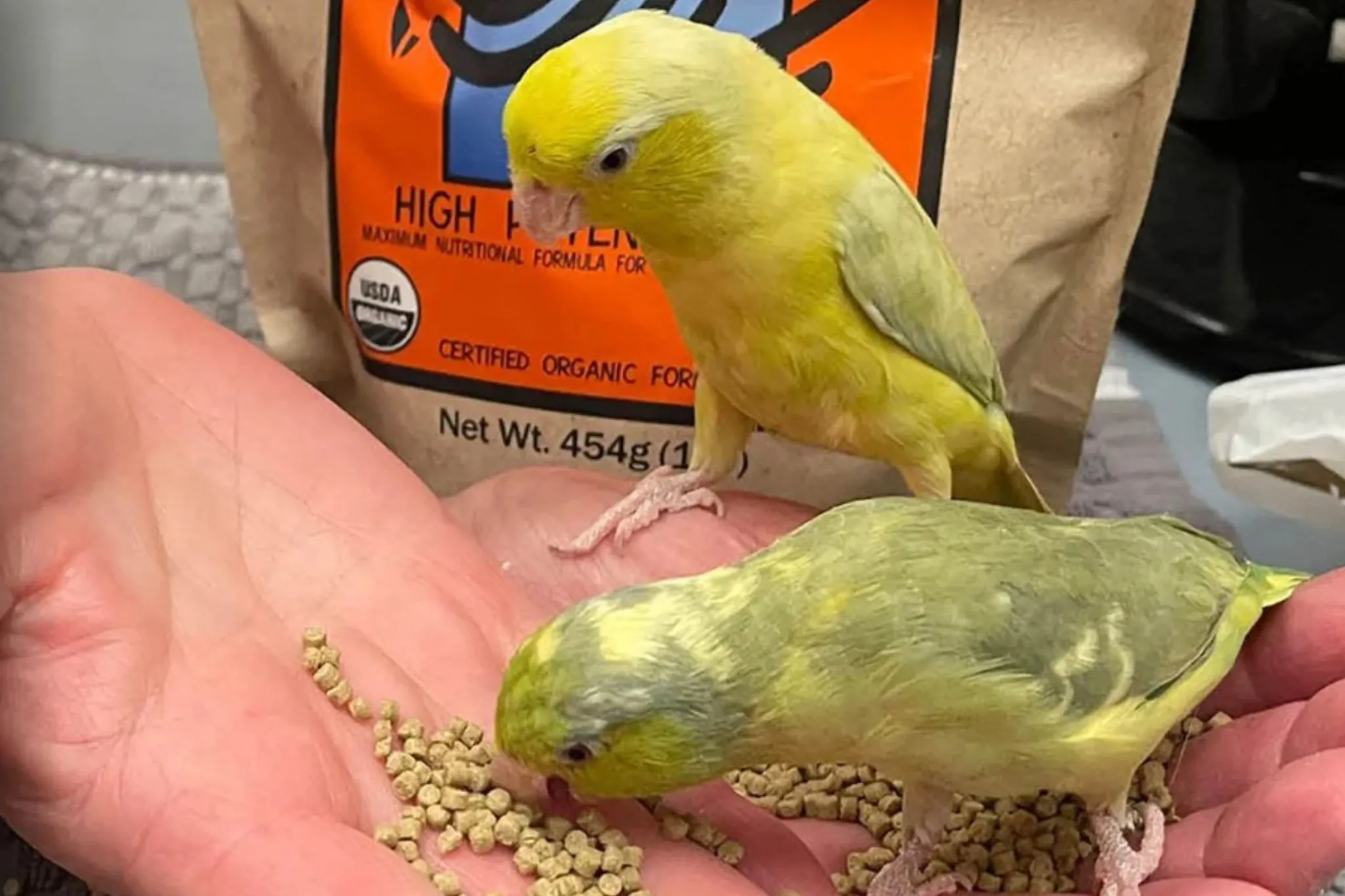
Most people judge a bird mix by how fast the bowl empties. Birds hide the truth, though. They pick out the sunflower, ignore the rest, and quietly build a diet full of gaps. This practice is partly why organic bird seeds have gone from being a specialized product to becoming an ordinary item on a grocery list. If your pet eats large quantities of food compared to its small body size, organic food becomes even more crucial.
What Sets Organic Bird Seeds Apart from Ordinary Mixes
The short answer is certification. The farm must demonstrate through audits that its certified organic crops are farmed without artificial fertilizers or pesticides. That paperwork is the difference between a marketing word and a real standard.
Cleaner Growing Conditions
Every day, a parrot consumes about 10% of its body weight. So residue levels that look harmless on a chart still matter for a 90-gram cockatiel.
Look for these signals on the bag:
- A named certifying body, not just the word “natural”
- A harvest or packing date, not only a distant expiry date
- Whole visible seeds instead of dust and broken shells
- No added artificial colors, which serve the owner’s eyes and nothing else
Freshness You Can Actually Test
Sunflower, safflower, and hemp are oil-rich. Oil turns rancid, and rancid fat loses vitamin E and tastes bitter to birds. Many “fussy eaters” are simply refusing stale food.
Open the bag and check:
- Smell. Fresh seed smells faintly nutty.
- Dust. A cloud when you pour it suggests old, crumbled stock.
- Webbing. Fine threads point to pantry moth larvae.
- Shine. Good millet and canary seed look polished, not chalky.
You can browse a full seed and bird food range here to compare mixes side by side.
Seed Is the Starting Point, Not the Whole Plate
This part gets skipped, and it causes real problems. Avian vets have warned for decades that seed-only diets run low in calcium, vitamin A, and certain amino acids. On an all-seed diet, cockatiels and budgies are particularly vulnerable to obesity and fatty liver disease.
That is where formulated pellets earn their place. Harrison’s cockatiel food sits in this category. The range was developed by avian veterinarian Dr Greg Harrison and uses certified organic ingredients, which is why so many vets recommend it as a daily base rather than a treat.
A Balanced Daily Plate
- Base: formulated pellets sized for small parrots
- Measured seed: a controlled portion, not a full bowl
- Fresh vegetables: dark leafy greens, carrot, capsicum, broccoli
- Water: changed daily, bowl scrubbed, no slime film
Keep avocado, chocolate, caffeine, alcohol, and salty snacks completely off the list. Those are toxic to birds.
How to Switch to Organic Bird Seeds Without a Food Strike
Birds are neophobic. New food often reads as danger, so a sudden swap can backfire. Move slowly.
- Week one: swap out roughly 25% of the old mixture for the new one.
- Week two: go to half-and-half. When hunger is at its highest in the morning, serve fresh.
- Week three: push to three-quarters if droppings look normal.
- Week four: complete the change.
During every dietary shift, your bird is protected by two habits:
- Weigh the bird on a gram scale twice a week. A drop of more than 10 percent means call an avian vet.
- Watch droppings. Color shifts are common with new food. Very watery output for more than a day is not normal.
Eat in front of your bird if it hesitates. Flock animals copy what they see.
Questions Bird Owners Ask
Are organic bird seeds genuinely better, or just pricier?
The tangible advantage here is a reduction in residues from synthetic pesticides, along with, in most cases, better freshness control. This is crucial for an animal that consumes a significant portion of its body weight.
How much seed should a cockatiel get each day?
Roughly one and a half to two teaspoons, served alongside pellets and vegetables. Verify the amount with your veterinarian because weight and exercise level affect the result.
Can I mix pellets and seed in one bowl?
Use separate bowls. Birds sort through mixed bowls and eat the seed first, which defeats the purpose.
Is Harrison’s cockatiel food suitable for other small parrots?
Yes. The finer pellet sizes suit budgies, lovebirds, and small conures too. Match the pellet size to the beak, not the species name.
My bird refuses anything new. What now?
Try chopping, warming slightly, or offering food from your hand. Stop the trial and speak with an avian veterinarian if the refusal persists for more than a day.
Conclusion
Good feeding is deliberately boring. Buy fresh food, store it properly, add some seeds to other meals, and weigh your pet regularly. Do all four, and your pet will take care of the rest for you.
